

How to Get the Best Treatment for Better Health

How to Get the Best Treatment for Better Health – Complete Patient Guide
Getting the best treatment for better health is not just about visiting a hospital—it is about making informed, well-planned decisions at every stage of your healthcare journey. From choosing the right hospital and OPD consultant to understanding treatment risks, total medical costs, insurance coverage, and post-discharge care, every step matters. This comprehensive guide will help patients and families understand how to receive quality treatment while ensuring safety, affordability, and long-term health benefits.
1. Understand Your Health Condition Clearly Before Starting Treatment
The foundation of effective treatment begins with a clear understanding of your health condition. Many patients start treatment without fully knowing their diagnosis, severity, or long-term impact. Always ask your doctor for a detailed explanation supported by diagnostic tests such as blood reports, scans, and medical history. Understanding whether your condition is acute, chronic, or lifestyle-related helps you choose the right treatment approach and avoid unnecessary procedures.

2. How to Choose the Right Hospital for Better Treatment
Choosing the right hospital is one of the most critical decisions in healthcare. Always prefer hospitals that are accredited (NABH or JCI), have advanced medical infrastructure, experienced specialists, and strong emergency services. A hospital that specializes in your medical condition—such as cardiac care, orthopedics, neurology, or oncology—offers better outcomes. Cleanliness, infection control, patient safety standards, and hospital reputation should also be carefully evaluated.
3. Importance of Hospital Infrastructure and Medical Facilities
Modern infrastructure plays a major role in accurate diagnosis and successful treatment. Hospitals with advanced operation theaters, ICU facilities, diagnostic labs, imaging services, blood banks, and in-house pharmacies provide seamless care. Availability of physiotherapy, rehabilitation, nutrition counseling, and mental health support further enhances recovery and long-term health outcomes.
4. How to Choose the Right Consultant Doctor in OPD
The OPD consultant guides your entire treatment plan. Choose a doctor who is well-qualified, experienced, and specialized in treating your specific condition. A good consultant listens carefully, explains the diagnosis clearly, discusses treatment options transparently, and avoids unnecessary tests or procedures. Doctor-patient communication, ethical practice, and trust are key indicators of the right consultant.

5. Why Taking a Second Opinion is Important
Taking a second opinion is highly recommended for major illnesses, surgeries, or long-term treatments. It helps confirm the diagnosis, compare treatment options, and avoid unnecessary or costly interventions. A second opinion provides confidence and clarity, enabling patients to make well-informed decisions. Ethical doctors always encourage second opinions.
6. Choosing the Right Treatment Plan for Best Health Outcomes
The best treatment is not always the most expensive one. Treatment should be evidence-based, patient-specific, and aligned with age, lifestyle, and overall health condition. Patients should understand alternative treatment options such as medical management, surgery, lifestyle changes, or rehabilitation. The right treatment balances effectiveness, safety, cost, and long-term benefits.
7. Understanding Treatment Risks and Possible Complications
Every medical treatment carries certain risks. Patients must be informed about potential complications, side effects, success rates, and recovery timelines. Proper informed consent ensures transparency and trust. Knowing warning signs allows early medical intervention and reduces complications during treatment.

8. Safe Use of Medicines and Drug Information Awareness
Medicines play a crucial role in recovery, but incorrect use can cause serious health issues. Patients should understand the purpose, dosage, duration, and side effects of each medicine. Always inform your doctor about allergies, existing medications, and chronic illnesses to prevent harmful drug interactions. Avoid self-medication and overuse of antibiotics.
9. Preventing Hospital-Acquired Infections During Treatment
Infection prevention is essential for patient safety. Hospitals must follow strict hygiene protocols, including sterilization, hand hygiene, and proper waste management. Patients and caregivers should remain alert to cleanliness, timely dressing changes, and safe catheter or IV line care. Preventing infections reduces hospital stay and improves recovery outcomes.
10. Planning the Total Treatment Budget in Advance
Understanding the total treatment cost helps avoid financial stress. Patients should request a detailed estimate covering OPD charges, investigations, surgery, medicines, ICU, room charges, implants, and consumables. Transparent cost planning ensures uninterrupted treatment and better financial management.

11. Understanding Health Insurance and TPA Facilities
Health insurance and TPA (Third Party Administrator) facilities significantly reduce out-of-pocket expenses. Confirm whether the hospital offers cashless treatment under your insurance policy. Understand coverage limits, exclusions, waiting periods, room rent caps, and claim documentation to avoid claim rejection or delays.
12. Estimating Duration of Hospital Stay
The duration of hospital stay directly impacts cost and recovery. Patients should discuss expected admission days, ICU requirements, and discharge timelines with the doctor. Planned and timely discharge minimizes infection risks and financial burden while ensuring safe recovery.
13. Monitoring Quality of Care During Hospitalization
Quality treatment involves continuous monitoring, responsive nursing care, accurate medication administration, and emotional support. Patients and caregivers should communicate concerns promptly and ensure treatment protocols are followed consistently for optimal recovery.

14. Discharge Process and Post-Treatment Care Guidelines
A proper discharge process is essential for continued healing. Patients should receive a comprehensive discharge summary, medication schedule, diet and activity guidelines, wound care instructions, follow-up dates, and emergency contact information. Clear post-treatment guidance reduces the risk of readmission.
15. Revisit Charges and Long-Term Follow-Up Planning
Follow-up visits are critical for monitoring recovery and preventing complications. Patients should ask about consultation fees, dressing charges, physiotherapy costs, and future diagnostic expenses. Proper follow-up planning ensures long-term health stability and treatment success.
Final Thoughts: Making Informed Healthcare Decisions
Getting the best treatment for better health requires awareness, preparation, and active participation in healthcare decisions. Choosing the right hospital, consultant, treatment plan, and insurance support—while understanding costs, risks, and follow-up care—leads to better outcomes, faster recovery, and peace of mind.
Read More:
10 Ways to improve the quality of care in health facilities
Sharing



How to Get Quick Treatment Without Wasting Time?

20 Benefits of Exercise for Better Health
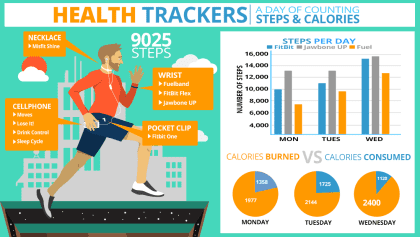
How To Improve Health With Fitness Tracker