

How to Get Quick Treatment Without Wasting Time?

How to Get Quick Treatment Without Wasting Time for better health
In today’s fast-paced world, timely medical treatment is critical for preventing complications, reducing stress, and achieving faster recovery. Delays in diagnosis, hospital selection, paperwork, or communication often worsen health conditions and increase treatment costs. Getting quick treatment without wasting time requires preparation, awareness, and smart decision-making at every stage of the healthcare journey. From recognizing symptoms early to choosing the right hospital, managing OPD visits efficiently, completing insurance formalities, and following up properly, every step plays an important role in saving valuable time and ensuring better health outcomes.
One of the most effective ways to get quick treatment is early recognition of symptoms and seeking medical attention without delay. Many patients ignore early warning signs, self-medicate, or wait for symptoms to worsen before consulting a doctor. This leads to emergency situations that could have been avoided with timely intervention. Understanding your body, monitoring unusual symptoms, and acting promptly allows doctors to diagnose conditions at an early stage when treatment is simpler, quicker, and more effective. Early consultation reduces the need for extensive investigations, prolonged hospital stays, and complex procedures.

Choosing the right hospital in advance is another critical factor in avoiding unnecessary delays. Patients often waste time visiting multiple hospitals or facilities that lack the required specialists, diagnostic tools, or emergency services. Researching hospitals beforehand, especially those close to home or workplace, helps save crucial time during medical emergencies. Hospitals with advanced infrastructure, in-house diagnostic facilities, round-the-clock emergency services, and experienced specialists can start treatment immediately without referrals or transfers. Knowing where to go in advance eliminates confusion and panic during critical moments.
Efficient OPD consultation plays a major role in quick treatment. Patients should select experienced consultants who specialize in their health condition and are known for clear diagnosis and ethical practices. Booking appointments online, opting for early morning OPD slots, and avoiding peak hours significantly reduce waiting time. Carrying previous medical records, test reports, and a list of symptoms helps doctors understand the condition faster and make quick, accurate decisions. Clear communication between patient and doctor ensures that diagnosis and treatment planning are completed in a single visit whenever possible.
Accurate and timely diagnosis is the backbone of fast treatment. Delays often occur due to repeated tests, incomplete investigations, or poor coordination between departments. Choosing hospitals with in-house laboratories and imaging facilities allows same-day reports, reducing waiting time. Patients should ensure that prescribed tests are completed promptly and reports are shared with the doctor without delay. Digital health records, online report access, and hospital apps further speed up the diagnostic process and minimize unnecessary follow-ups.

Another important aspect of quick treatment is avoiding unnecessary referrals and multiple opinions unless required. While second opinions are important for major surgeries or long-term treatments, excessive consultations often lead to confusion and delays. Trusting a qualified and experienced consultant and following a clear treatment plan prevents repeated investigations and contradictory advice. Timely decision-making, based on medical evidence and patient condition, helps initiate treatment without wasting valuable time.
Pre-planning for medical emergencies significantly reduces delays in treatment. Families should maintain a medical emergency file containing health insurance details, identity documents, blood group information, allergy history, and ongoing medications. Saving emergency contact numbers of hospitals, ambulance services, and family doctors ensures quick response during emergencies. Being prepared allows patients and caregivers to focus on treatment rather than documentation and logistics.
Health insurance and TPA processes are a common cause of treatment delays. Lack of knowledge about insurance coverage, policy exclusions, and required documents often leads to long waiting periods at hospital insurance desks. To avoid this, patients should understand their policy details in advance, keep insurance cards and documents ready, and choose hospitals that provide cashless TPA facilities. Prompt intimation to the insurance provider and coordination with the hospital’s TPA desk helps initiate treatment without financial delays.
Hospital admission procedures can consume valuable time if not handled efficiently. Selecting hospitals with streamlined admission processes, digital registration systems, and dedicated patient coordinators ensures faster bed allocation and treatment initiation. Patients should cooperate by providing accurate information, completing consent forms promptly, and following hospital instructions. Clear communication with admission staff and doctors helps avoid administrative bottlenecks.
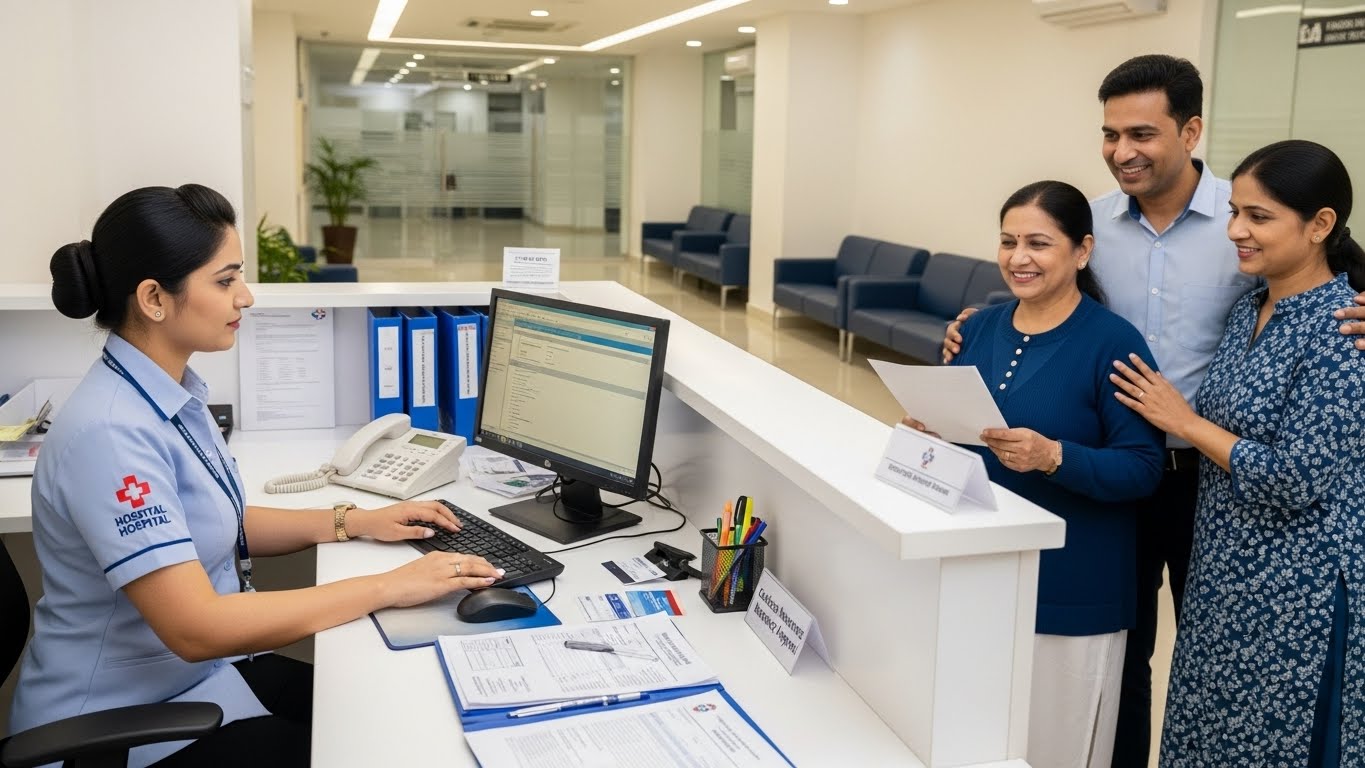
Quick treatment also depends on efficient coordination between hospital departments. Delays often occur when test results, consultations, or approvals are not communicated properly. Hospitals with integrated systems, electronic medical records, and multidisciplinary teams can coordinate care smoothly and reduce waiting time. Patients and caregivers should actively follow up, ask questions, and ensure that reports and approvals are moving forward without delay.
Medication availability plays a crucial role in timely treatment. Hospitals with in-house pharmacies ensure immediate access to prescribed medicines, avoiding delays caused by external purchases. Patients should clarify medication schedules, availability, and alternatives in advance. Understanding dosage and duration helps avoid interruptions and ensures continuity of treatment.
Effective communication between patients, caregivers, and healthcare providers is essential for quick treatment. Misunderstandings, incomplete information, and lack of clarity often lead to repeated consultations and delays. Patients should clearly explain symptoms, follow medical advice, and ask questions when in doubt. Caregivers should assist in coordination, documentation, and communication, especially for elderly or critical patients.
Discharge planning should begin early to avoid unnecessary hospital stay. Delays in discharge often occur due to pending reports, billing issues, or lack of post-discharge instructions. Patients should confirm expected discharge dates, complete insurance formalities in advance, and arrange home care or follow-up appointments beforehand. Timely discharge frees hospital resources and reduces costs while ensuring continuity of care.
Post-treatment follow-ups also need to be well-planned to avoid wasting time. Scheduling follow-up visits in advance, using teleconsultation options, and completing prescribed investigations before appointments ensure efficient reviews. Adhering to medication schedules, lifestyle advice, and rehabilitation plans reduces the risk of complications and repeat hospital visits.
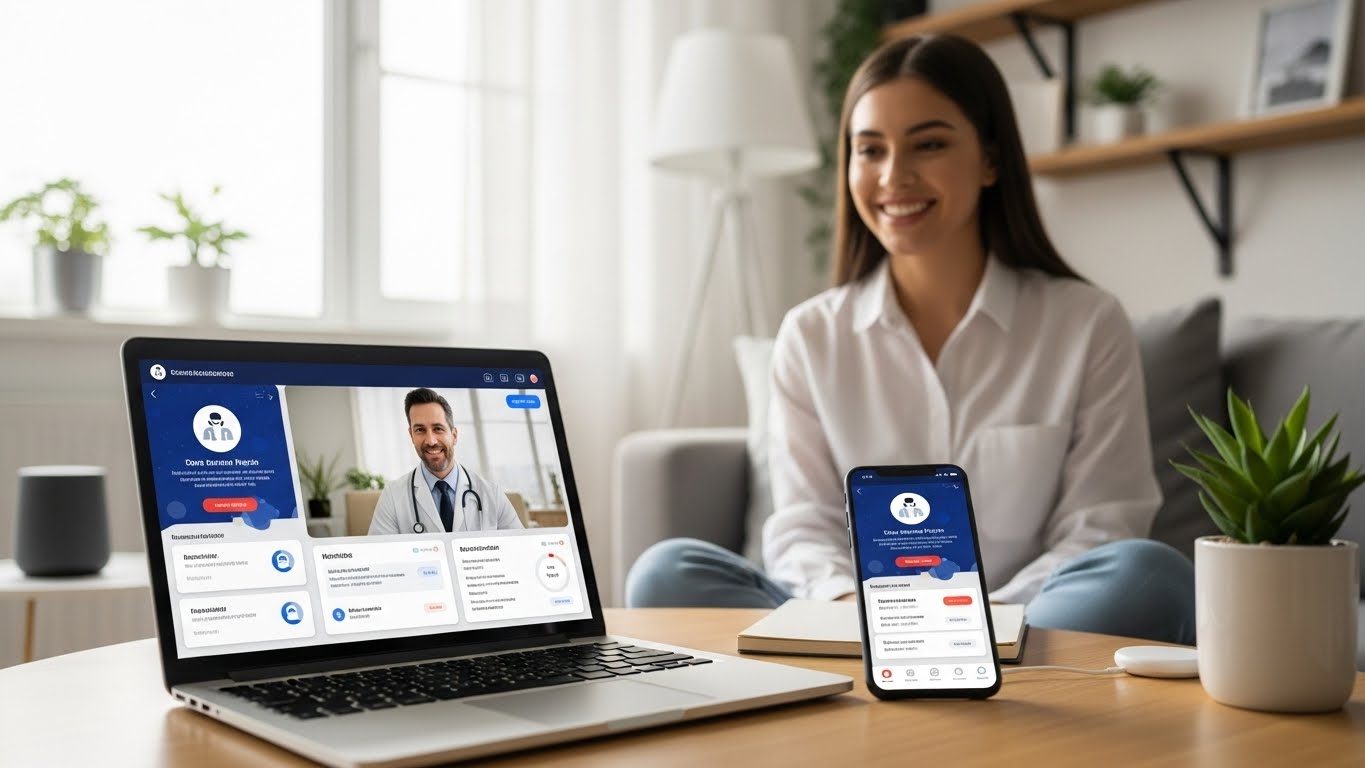
Technology plays a significant role in speeding up healthcare delivery. Online appointment booking, telemedicine, digital prescriptions, electronic medical records, and health apps reduce waiting time and improve coordination. Patients should make use of these tools whenever possible to access healthcare quickly and conveniently.
In conclusion, getting quick treatment without wasting time is a combination of awareness, preparation, smart hospital selection, effective communication, and proactive planning. Early symptom recognition, choosing the right hospital and consultant, completing diagnostics promptly, understanding insurance processes, and using digital healthcare tools help eliminate delays. Patients who actively participate in their healthcare journey not only receive faster treatment but also experience better outcomes, reduced stress, and improved quality of life. Time saved in healthcare often translates into lives saved, making efficiency and preparedness essential for better health.
Read More:
10 Best Tips for Faster Medical Care
Sharing



How to Get the Best Treatment for Better Health

20 Benefits of Exercise for Better Health
How To Improve Health With Fitness Tracker